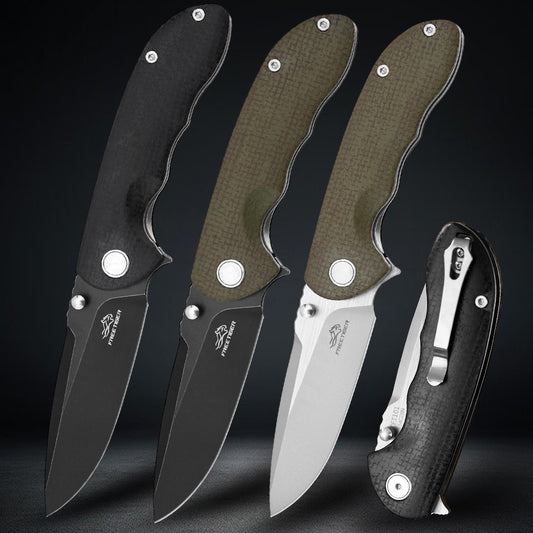
What Can You Actually Do With a Folding Pocket Knife? A Practical Guide for Camping, Hunting, and EDC
The Honest Truth About Pocket Knives
Let me start with something that doesn’t get said enough: a folding pocket knife is not a survival axe, and it’s not a pry bar. But within its actual limits, it’s one of the most useful tools you can own.
I’ve carried a folding knife daily for years, and I’ve used it for everything from opening packages to processing game on hunting trips. The key is knowing what it’s good for—and what it isn’t.
This guide breaks down the real-world uses of a folding pocket knife across three main areas:
- Everyday Carry (EDC) – the tasks you’ll actually encounter daily
- Camping and Outdoor – what works in the woods
- Hunting and Field Dressing – when performance matters most

What Makes a Pocket Knife Different?
Before we dive into uses, let’s clarify what we’re talking about.
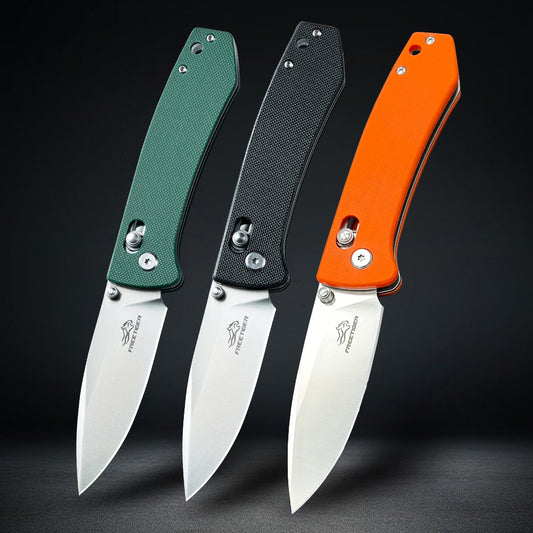
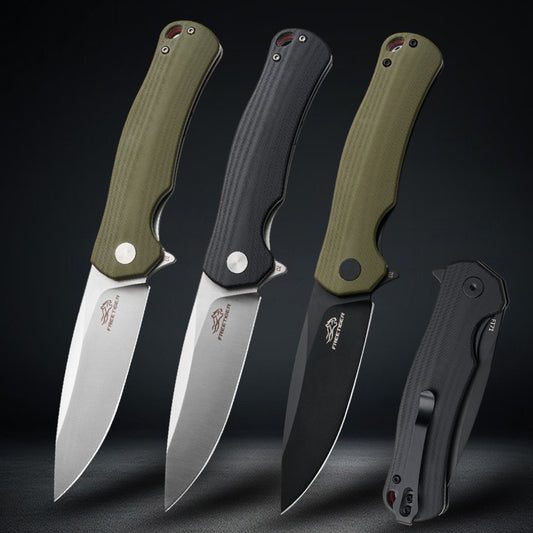
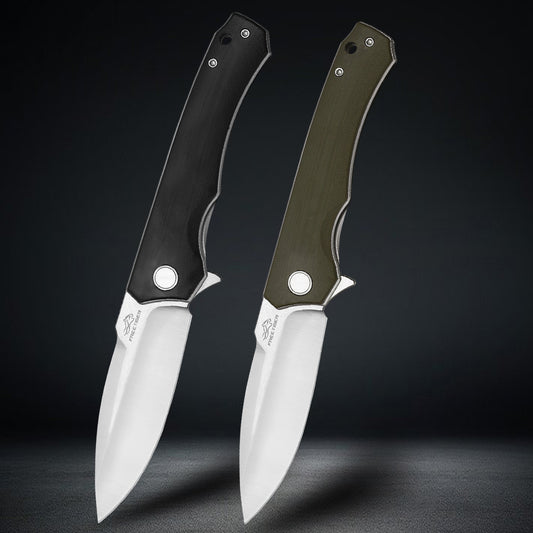
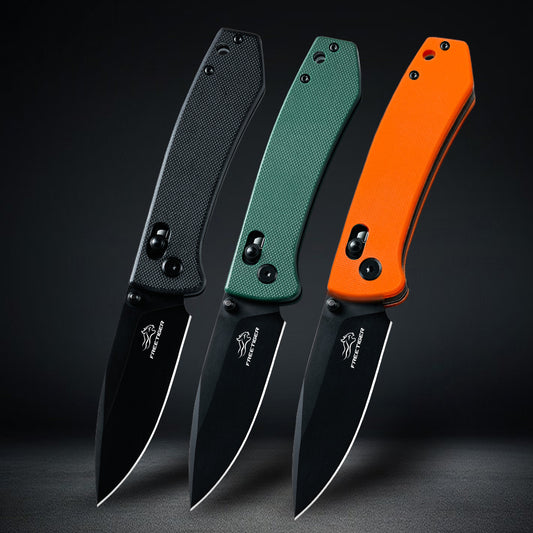
A folding pocket knife is a knife with one or more blades that fold into the handle for safe carry . Unlike fixed blades, which have no moving parts and are generally stronger for heavy tasks, folding knives prioritize portability and convenience .
The trade-off is simple:
| Feature | Folding Knife | Fixed Blade |
|---|---|---|
| Portability | Excellent | Fair |
| Strength | Good | Excellent |
| Safety in pocket | High | Requires sheath |
| Ease of cleaning | Moderate | Excellent |
Folding knives are ideal for carry-first convenience—you’ll actually have it with you when you need it . And that’s the whole point.
Everyday Carry (EDC) Uses – The Daily Grind
This is where most of us actually use our folding knives. Not in dramatic survival scenarios, but in the small, practical moments of daily life.
Opening Packages and Cutting Tape
This is the number one use for most EDC knives . With online deliveries arriving almost daily, a sharp pocket knife makes quick work of cardboard boxes and packing tape.
What works best: A drop point or clip point blade around 3–3.5 inches gives you enough reach without feeling unwieldy .
Cutting Rope, Cord, and Zip Ties
From cutting paracord to freeing a tangled bundle, a good folding knife handles rope and synthetic cordage with ease. Braided fishing line, for example, is nearly impossible to snap by hand but cuts cleanly with a sharp blade .
Food Prep – Slicing Fruit and Snacks
Slicing an apple or cutting a block of cheese is an age-old pocket knife tradition . It’s practical, and there’s something satisfying about using a trusted tool for a simple meal.
Pro tip: If you use your knife for food, clean it afterward. Dried food residue can gum up the pivot, and some handle materials—like G10 or Ultem—are easier to wipe clean than others.
Removing Splinters and Staples
A fine tip is perfect for removing splinters or prying out staples from packaging . Just be sure to sterilize the blade if you’re using it on skin.
Opening Envelopes and Packages
Bills and letters still arrive by mail, and a pocket knife opens them cleaner than tearing by hand .
Whittling
Even in the digital age, whittling remains a timeless pastime . It’s a great way to pass time at camp or just relax at home.

Camping and Outdoor Uses – In the Field
When you step into the woods, your folding knife’s role expands. Here’s where it really earns its keep.
Feather Sticks and Fire Starting
One of the most valuable camp skills is making feather sticks—thin curls of wood shaved from a branch that catch a spark easily. A sharp folding knife with good blade control is perfect for this .
If your knife has a fire starter (some survival-oriented folders include a ferro rod), you can combine shavings with sparks to get a fire going even with damp wood .
What doesn’t work: Chopping wood with a folder is a bad idea. That’s what hatchets and fixed blades are for.
Cutting Bait and Fishing Line
If you fish, you already know the struggle of tangles. A folding knife cuts braided line cleanly—something your bare hands can’t do—and can portion bait into manageable pieces .
Gutting and Filleting Fish
Many fishermen use their pocket knives to clean their catch . While dedicated fillet knives are better for large fish, a sharp folder handles trout, perch, and similar-sized catches just fine.
Cutting Branches and Small Wood
For cutting small branches for a shelter or clearing a path, a folding knife can get the job done. But it’s important to manage expectations: you’re cutting twigs, not logs .
Preparing Camp Food
From peeling vegetables to slicing meat for the grill, your pocket knife can replace a whole kitchen drawer when you’re at camp .
Emergency Use – Seatbelts and Tourniquets
In an emergency, a pocket knife can be lifesaving. Rescuers have used them to cut seatbelts and free accident victims from burning vehicles . Some knives even include dedicated seatbelt cutters and glass breakers for exactly this purpose .

Hunting Uses – When Precision Matters
Hunting puts a different kind of demand on a knife. You’re not just cutting—you need control, a clean edge, and a blade that stays sharp.
Field Dressing and Skinning
A sharp, controllable folding knife is essential for field dressing game . The work involves long slicing cuts and careful tip work, so blade geometry matters .
What to look for: A blade with good belly for slicing, a fine tip for detail work, and corrosion resistance for wet conditions . That’s why materials like 14C28N (stainless and tough) or D2 (excellent edge retention) are popular for hunting folders.
Processing Game
From skinning a deer to breaking down smaller game, a folding knife with a 3.5–4-inch blade is a capable partner . Some hunters prefer a dedicated fixed blade for primary work and carry a folder as backup .
Cutting Meat and Food Prep at Camp
After the hunt, you’re cooking. The same knife that processed the game can prepare your meal .

What a Folding Knife Can’t Do (Safety First)
Here’s the reality check.
| Task | Should You Use a Folding Knife? |
|---|---|
| Batoning (splitting wood) | No – can damage the pivot and lock |
| Prying or twisting | No – tips break |
| Stabbing hard materials | No – can close on your hand |
| Chopping thick branches | No – that’s what hatchets do |
Always cut away from your body, keep the blade sharp to reduce slipping, and use the locking mechanism properly .
Quick Reference Table – Best Uses by Activity
| Activity | Primary Task | Folding Knife? | Notes |
|---|---|---|---|
| EDC | Opening packages | ✅ Yes | Drop point or clip point |
| EDC | Cutting cordage | ✅ Yes | Any sharp blade |
| EDC | Food prep (light) | ✅ Yes | Clean after use |
| Camping | Feather sticks | ✅ Yes | Sharp edge, good control |
| Camping | Fire starting | ✅ Yes | If equipped with fire starter |
| Camping | Cutting small branches | ⚠️ Limited | Avoid thick wood |
| Fishing | Cutting line | ✅ Yes | Essential |
| Fishing | Gutting | ✅ Yes | For smaller fish |
| Hunting | Field dressing | ✅ Yes | Clean blade, good control |
| Hunting | Skinning | ✅ Yes | Blade belly matters |
Choosing the Right Folding Knife for Your Uses
The best pocket knife for you depends on what you actually do most .
- If you carry it daily for urban EDC: Look for a compact folder (3–3.5-inch blade), stainless steel like 14C28N, and a comfortable handle like G10 or Ultem. Easy carry matters most.
- If you’re a camper or outdoorsman: Prioritize blade toughness and grip. 14C28N or D2 with a textured G10 or Ultem handle gives you corrosion resistance, strength, and control in wet conditions.
- If you hunt: Choose a blade with good belly for long slicing, a fine tip for detail work, and a lock you trust. Liner locks work well, but an Axis lock can offer smoother, ambidextrous operation .
Frequently Asked Questions (FAQ)
What are the most common uses for a pocket knife?
Opening packages, cutting rope, food prep, whittling, and everyday utility tasks are the most frequent uses .
Can a folding knife be used for hunting?
Yes. Many hunters use folding knives for field dressing, skinning, and game processing . A 3.5–4-inch blade with good edge retention and corrosion resistance works well.
Is a folding knife strong enough for camping?
For most camp tasks—cutting cord, preparing food, carving kindling—yes . For heavy chopping or batoning, choose a fixed blade.
What’s the best blade shape for an all-around folding knife?
A drop point or clip point is the most versatile for general use, combining a strong tip with good slicing ability .
How do I keep my folding knife safe to use?
Cut away from your body, keep the blade sharp, use the lock properly, and store it securely .
The Bottom Line
A folding pocket knife is a remarkably versatile tool—but it’s not a magic wand. Used within its limits, it handles nearly every daily cutting task, performs admirably in the field, and can even save a life in an emergency.
The key is knowing what it’s for: cutting, not prying. Slicing, not chopping.
If you treat it right, a good folding knife will become one of the most-used tools you own.
Explore Our Knives
Looking for a folding knife that fits your needs? We carry options in D2 and 14C28N steel with G10, carbon fiber, and Ultem handles.
🔹 Shop camping and outdoor knives