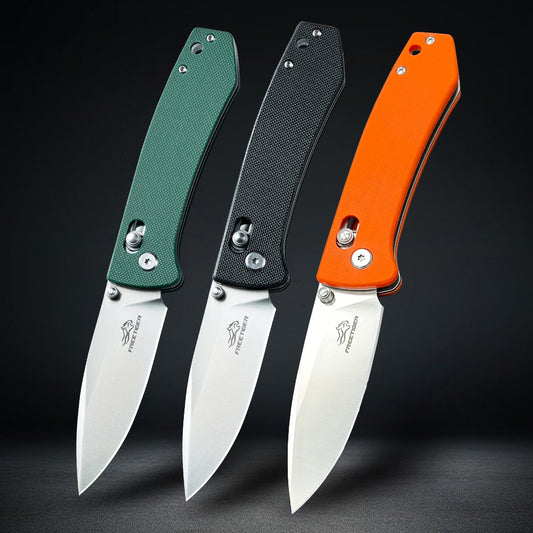
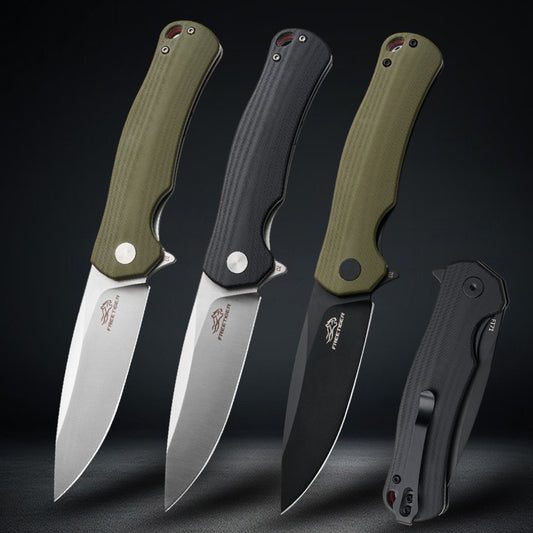
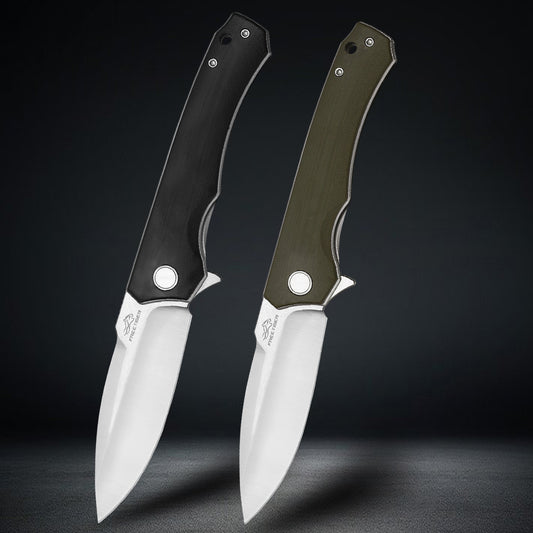
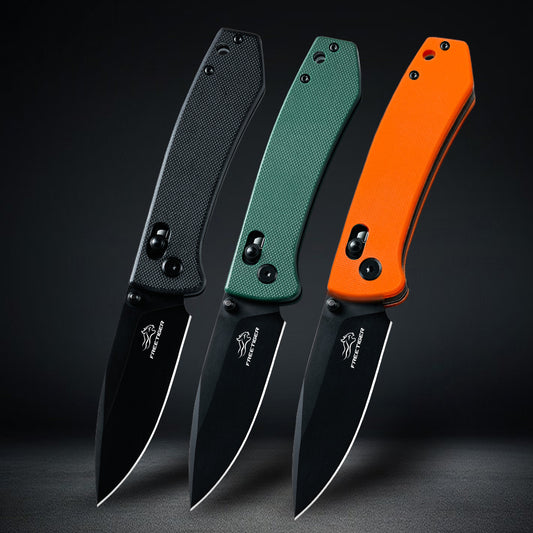
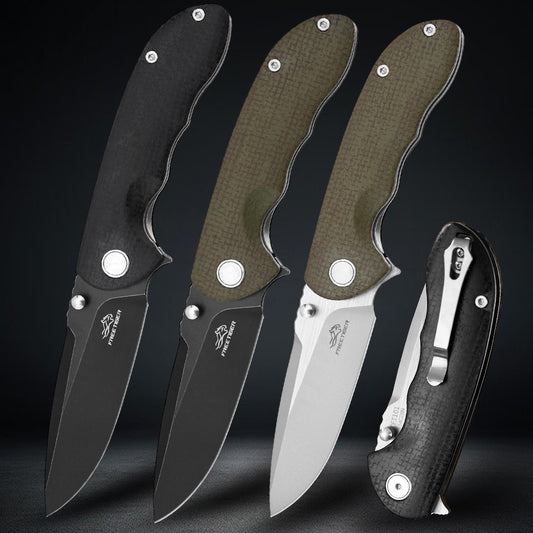
D2 Steel Folding Knife: 7 Powerful Reasons It’s the Best Choice for Durability
Discover why the D2 steel folding knife is a powerful, durable, and reliable tool. Learn its benefits, uses, maintenance tips, and expert insights in this complete guide.

Introduction to D2 Steel Folding Knife
A D2 steel folding knife is widely known for its toughness, durability, and long-lasting sharpness. Whether you're an outdoor enthusiast, a survivalist, or someone who needs a reliable everyday tool, this type of knife stands out as a dependable option.
What is D2 Steel?
D2 steel is a high-carbon, high-chromium tool steel. It’s often referred to as a “semi-stainless” steel because it contains enough chromium to resist rust—but not as much as true stainless steel. This balance gives it exceptional hardness and wear resistance.
What makes D2 steel special is its ability to hold an edge for a long time, making it ideal for heavy-duty cutting tasks.
Why Folding Knives Are Popular
Folding knives are compact, portable, and easy to carry. Unlike fixed blades, they can be safely tucked into a pocket, making them perfect for everyday carry (EDC). When combined with D2 steel, the result is a knife that is both convenient and incredibly durable.
Key Features of D2 Steel Folding Knife
💪 High Wear Resistance
One of the most notable features of a D2 steel folding knife is its high resistance to wear. This means the blade can withstand repeated use without degrading quickly.
⏳ Excellent Edge Retention
D2 steel holds its edge significantly longer than many other steels. You won’t need to sharpen it frequently, which is a big plus for users who rely on their knife daily.
🛡️ Semi-Stainless Properties
While not fully stainless, D2 steel offers moderate corrosion resistance. With proper care, it can resist rust effectively.
Advantages of Using a D2 Steel Folding Knife
🔹 Long-Lasting Sharpness
A major benefit of using a D2 steel folding knife is its ability to stay sharp for extended periods. This makes it ideal for cutting tough materials like rope, cardboard, and even wood.
🏕️ Ideal for Outdoor Use
D2 steel performs exceptionally well in outdoor environments. Whether you’re camping, hiking, or hunting, this knife can handle demanding tasks without losing performance.
💰 Cost-Effectiveness
Compared to premium steels, D2 offers excellent performance at a more affordable price. It’s a great choice for those who want high quality without breaking the bank.
Disadvantages of D2 Steel Folding Knife
🌧️ Corrosion Sensitivity
Although D2 has some chromium, it’s still prone to rust if not maintained properly. Exposure to moisture without cleaning can lead to corrosion.
🪓 Sharpening Challenges
D2 steel is harder than many other steels, which means sharpening it can be more difficult. You may need specialized sharpening tools like diamond stones.
D2 Steel vs Other Knife Steels
🔄 D2 vs Stainless Steel
Stainless steel offers better corrosion resistance, but D2 provides superior edge retention and toughness.
🔥 D2 vs Carbon Steel
Carbon steel is easier to sharpen but rusts more easily. D2 strikes a balance between durability and corrosion resistance.
⚡ D2 vs S30V Steel
S30V is a premium steel with excellent corrosion resistance and edge retention. However, D2 is more budget-friendly while still delivering strong performance.
Common Uses of D2 Steel Folding Knife
🧰 Everyday Carry (EDC)
A D2 steel folding knife is perfect for daily tasks such as opening packages, cutting cords, or handling small repairs.
🏕️ Camping and Survival
Its toughness makes it ideal for outdoor survival tasks like cutting branches, preparing food, or building shelters.
🛡️ Tactical Applications
Many users prefer D2 steel knives for tactical use due to their strength and reliability under pressure.
How to Maintain a D2 Steel Folding Knife
🧽 Cleaning Tips
- Wipe the blade after each use
- Avoid leaving moisture on the blade
- Use mild oil to protect against rust
🪛 Sharpening Techniques
- Use diamond sharpening stones
- Maintain a consistent angle
- Sharpen only when necessary
📦 Storage Best Practices
- Store in a dry place
- Avoid leather sheaths for long-term storage
- Apply protective oil coating
Buying Guide for D2 Steel Folding Knife
🔪 Blade Design
Choose a blade shape based on your needs—drop point for versatility, tanto for piercing strength.
🪵 Handle Material
Look for durable materials like G10, micarta, or aluminum for better grip and longevity.
🔒 Locking Mechanism
Common options include liner locks, frame locks, and back locks. Each offers different levels of safety and ease of use.
Safety Tips When Using Folding Knives
- Always keep the blade pointed away from your body
- Ensure the lock is fully engaged before use
- Keep the knife out of reach of children
- Never use a folding knife as a screwdriver or pry tool
FAQs About D2 Steel Folding Knife
1. Is a D2 steel folding knife good for everyday use?
Yes, it’s excellent for everyday carry due to its durability and edge retention.
2. Does D2 steel rust easily?
It can rust if not maintained properly, but regular cleaning prevents this.
3. Is D2 steel better than stainless steel?
It depends—D2 offers better edge retention, while stainless steel resists corrosion more effectively.
4. How often should I sharpen a D2 steel folding knife?
Not often—its edge retention is strong, so sharpening is only needed after extended use.
5. Can beginners use a D2 steel folding knife?
Yes, but they should learn proper maintenance and safe handling.
6. What is the best use for a D2 steel folding knife?
It’s ideal for outdoor activities, EDC tasks, and survival situations.
Conclusion
The D2 steel folding knife is a powerful and reliable tool that offers exceptional durability, edge retention, and versatility. While it requires a bit more care than stainless steel knives, its performance makes it well worth the effort.
Whether you're heading into the wilderness or just need a dependable everyday tool, this knife delivers where it matters most—strength, sharpness, and reliability.
For more insights on knife steels, you can explore this helpful resource:
👉 https://www.bladehq.com/blog/knife-steel-guide/